






-
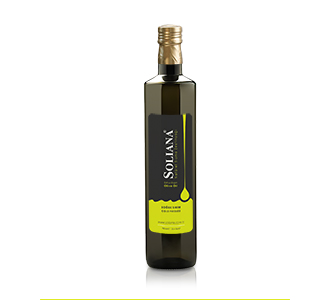
750 ml Extra Virgin Olive Oil
Cold Pressed
-
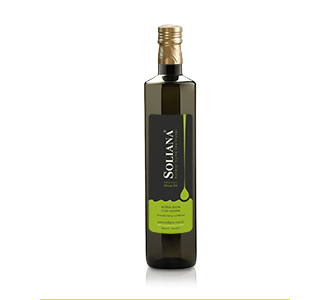
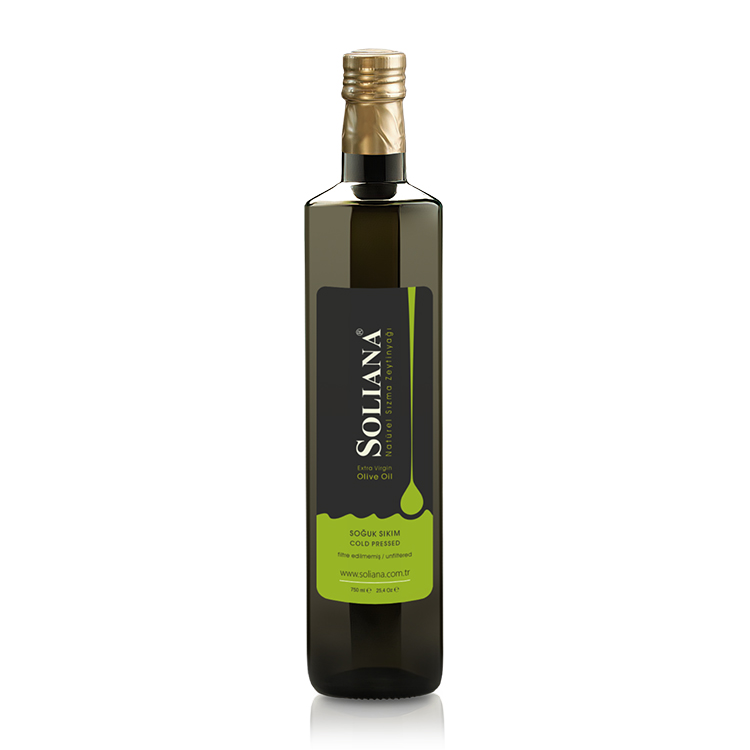
750 ml Extra Virgin Olive Oil
Cold Pressed / Unstrained
-

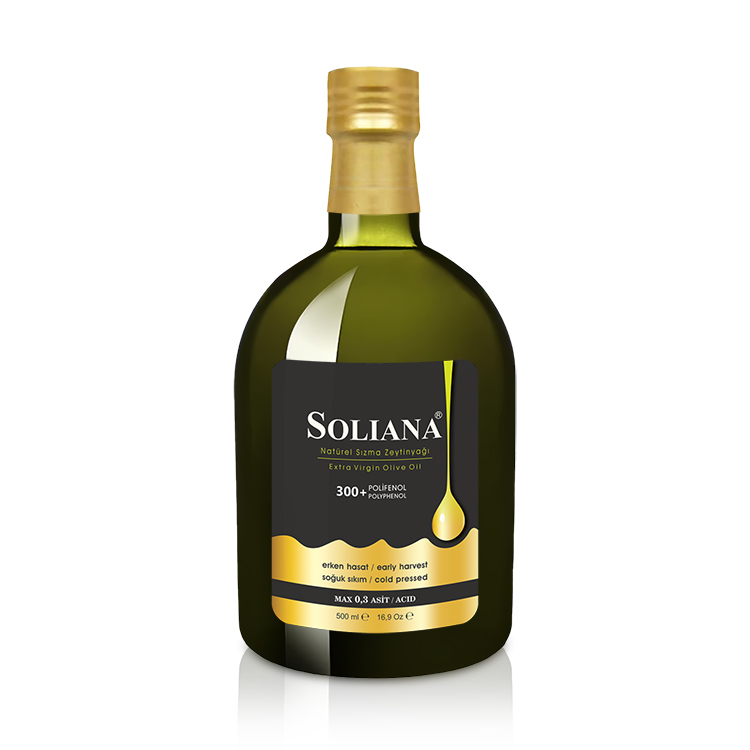
500 ml Extra Virgin Olive Oil
Cold Pressed / Early Harvest
-
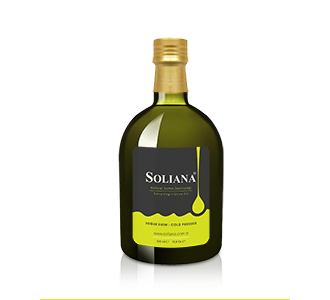
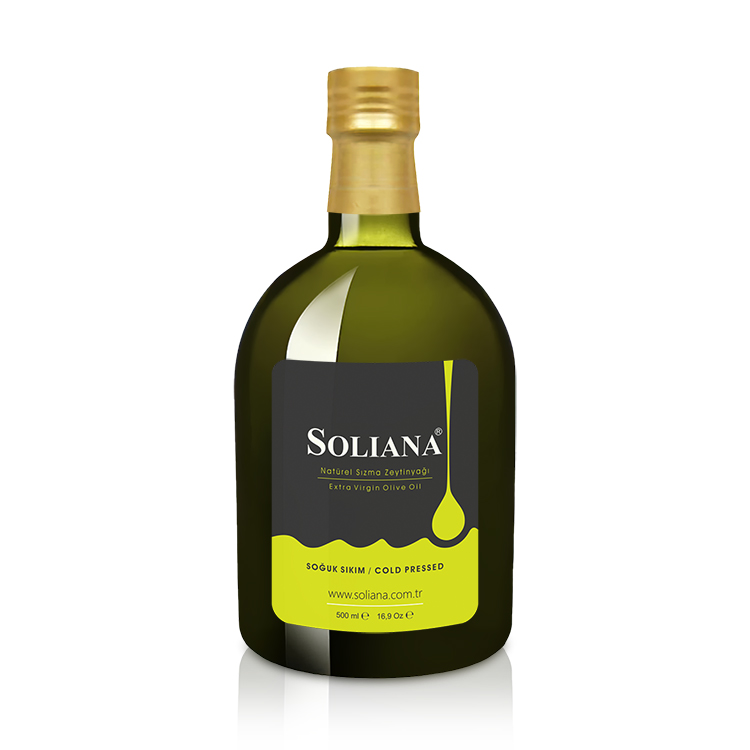
500 ml Extra Virgin Olive Oil
Cold Pressed
-
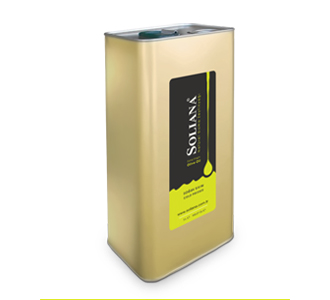
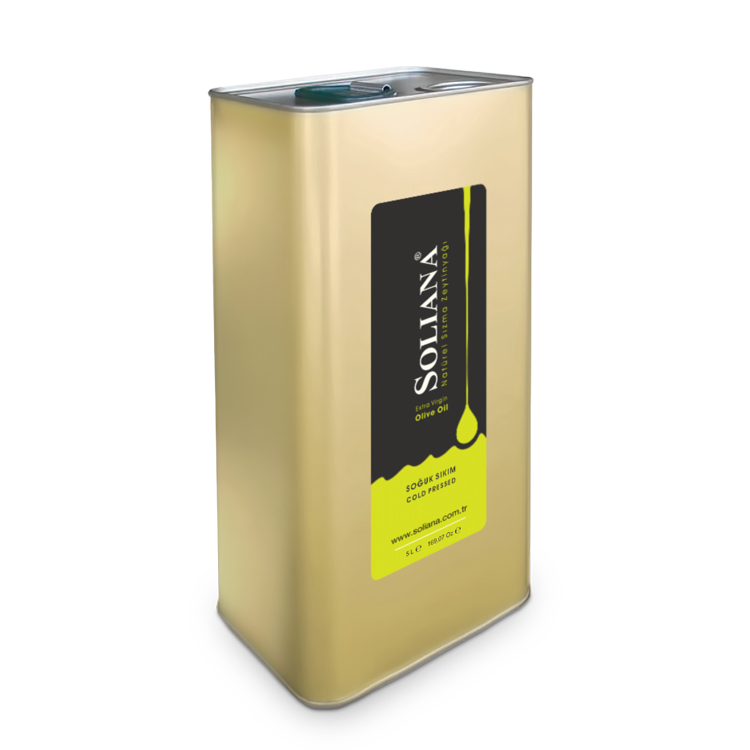
5 L Extra Virgin Olive Oil
Cold Pressed
-
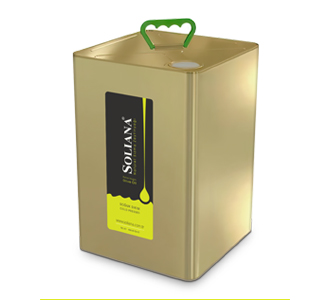
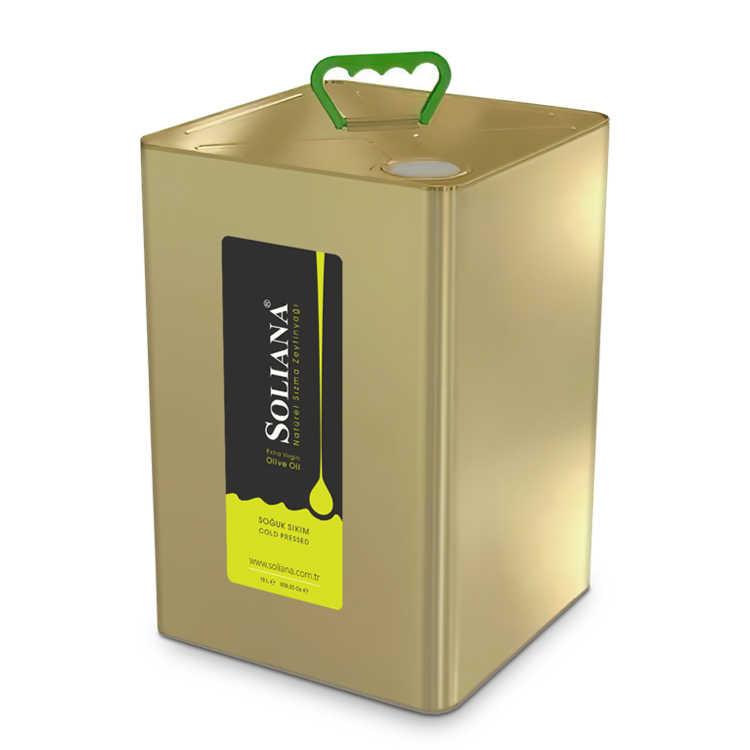
18 L Extra Virgin Olive Oil
Cold Pressed
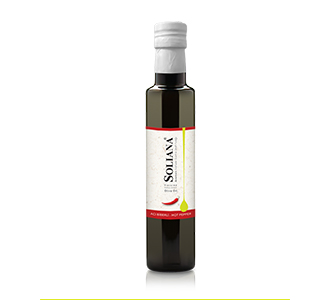
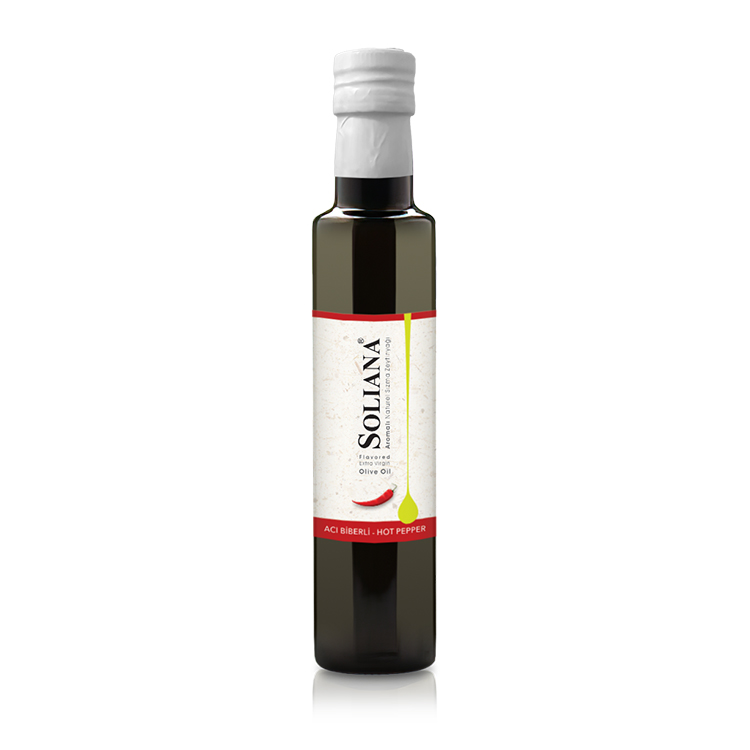
250 ml Chilly-Flavored
Extra Virgin Olive Oil
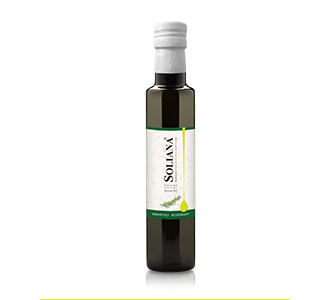
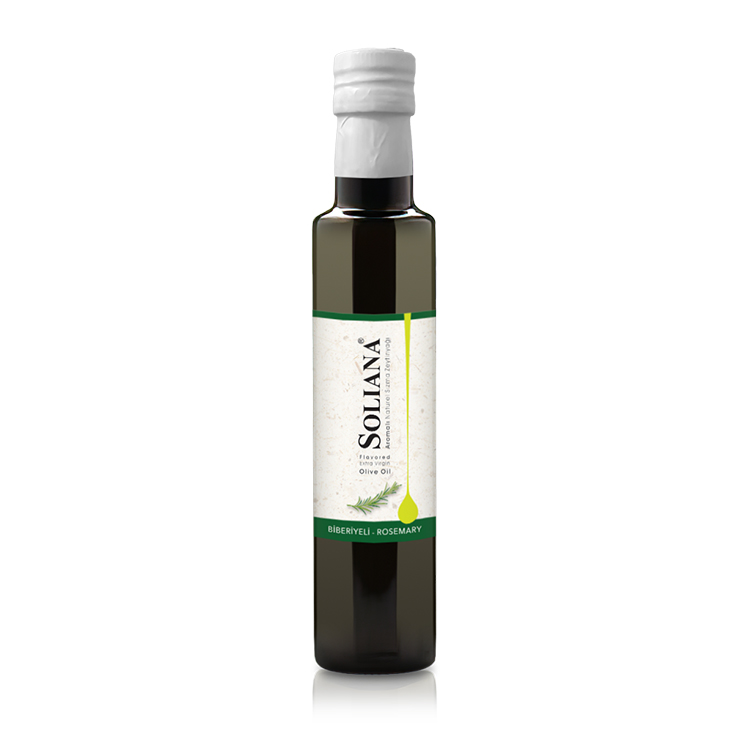
250 ml Rosemary-Flavored
Extra Virgin Olive Oil
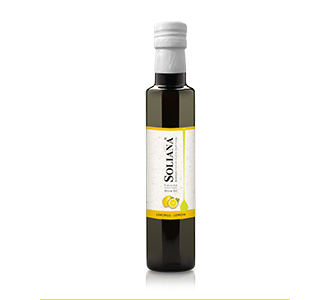
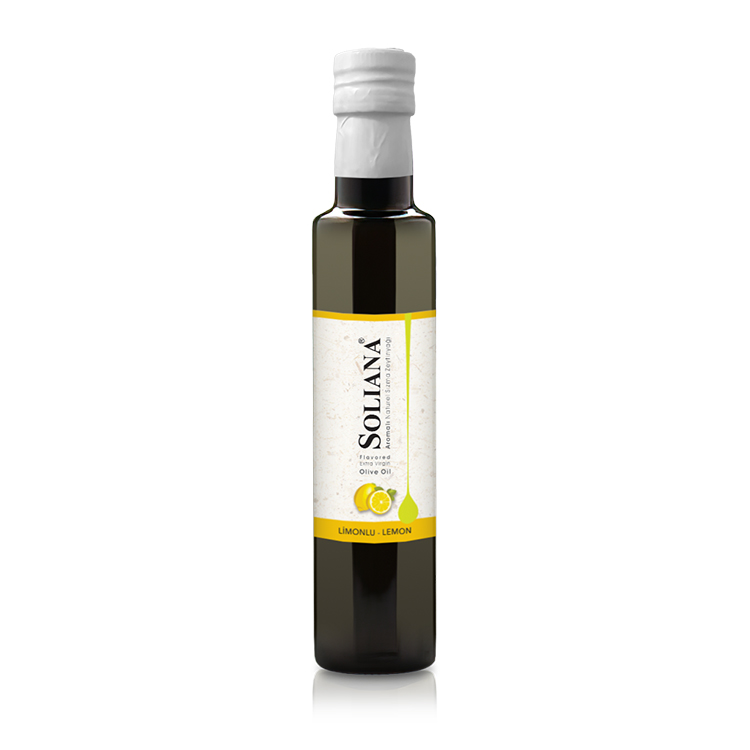
250 ml Lemon-Flavored
Extra Virgin Olive Oil
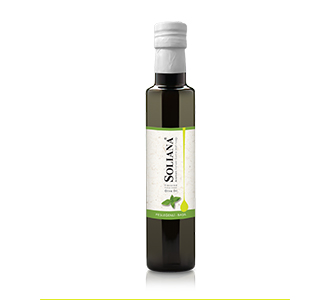
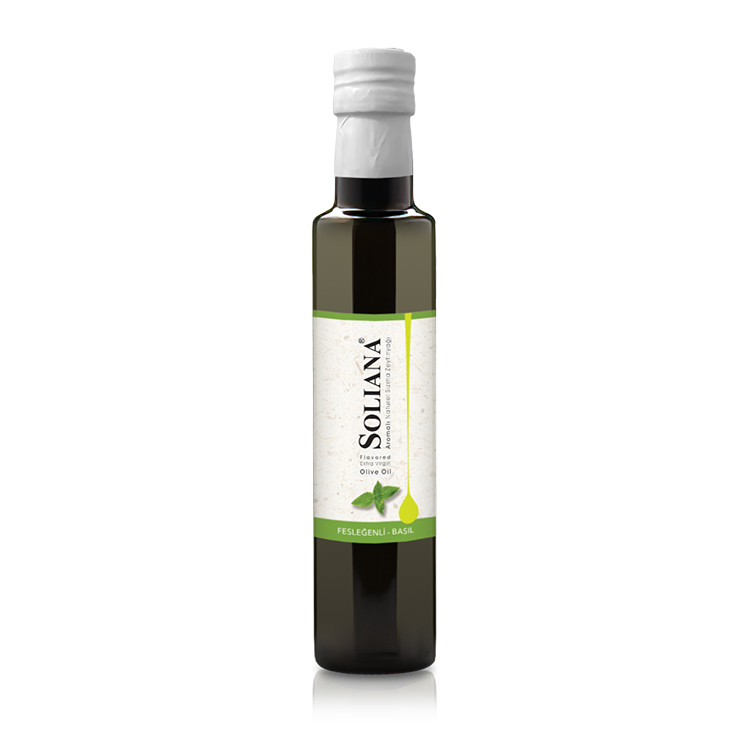
250 ml Sweet Basil-Flavored
Extra Virgin Olive Oil
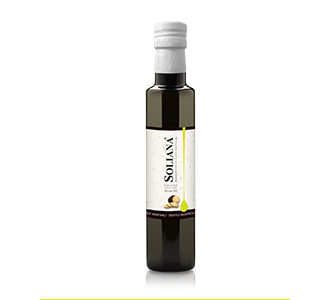
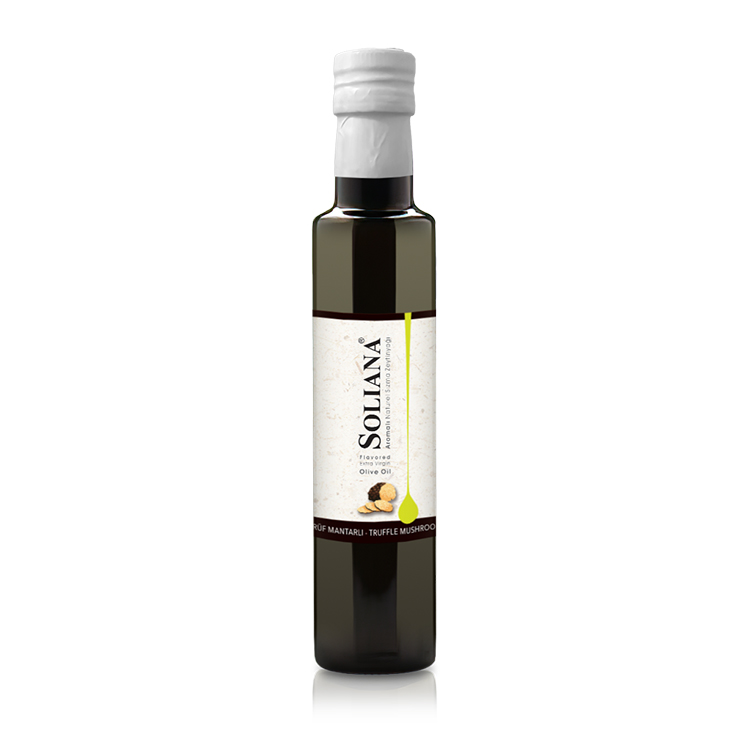
250 ml Truffle-Flavored
Extra Virgin Olive Oil
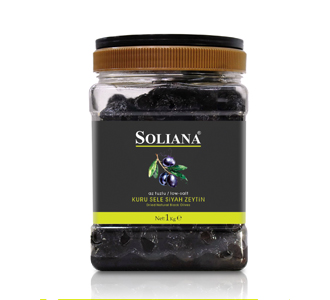
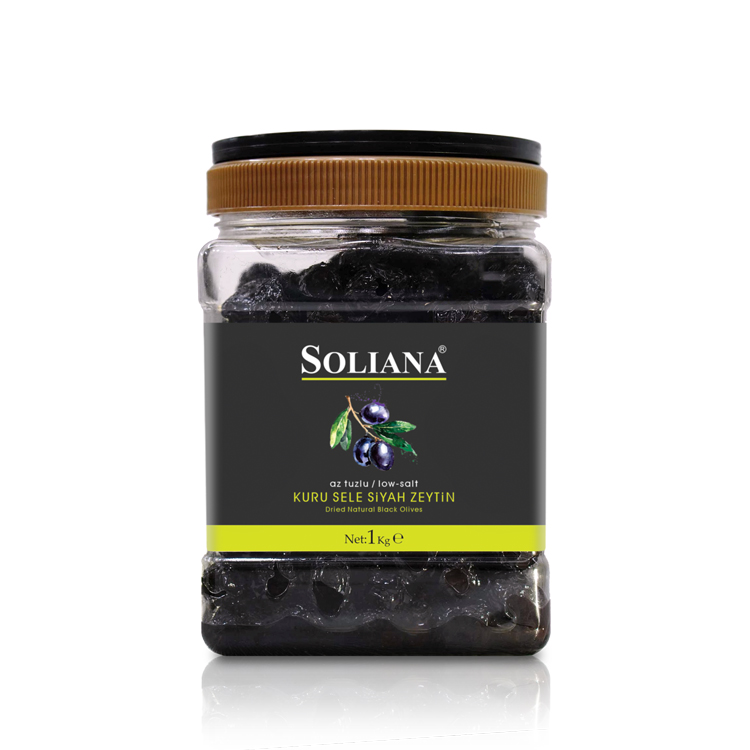
1 Kg Dried Sele Black Olive
Low Salty

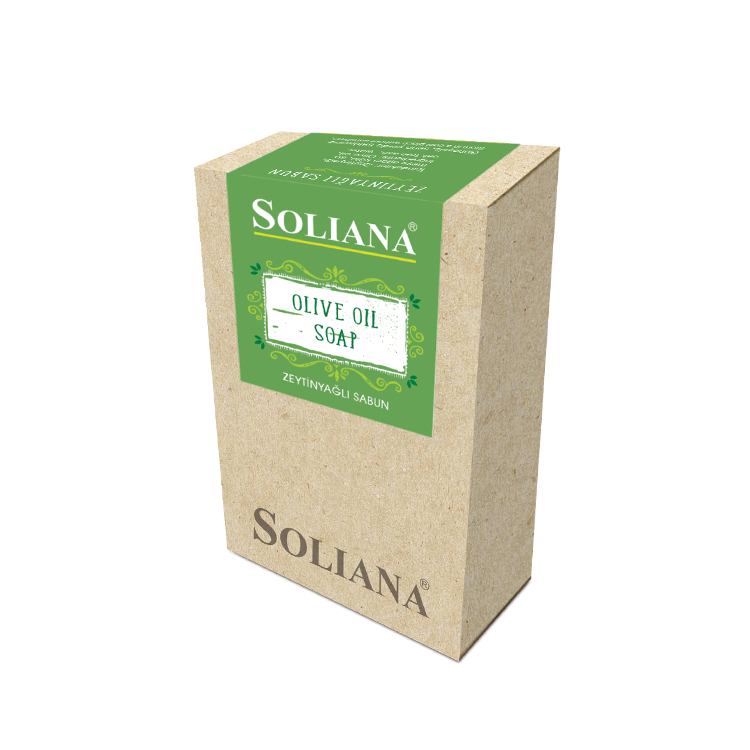
Olive Oil Soap
Without Caustic
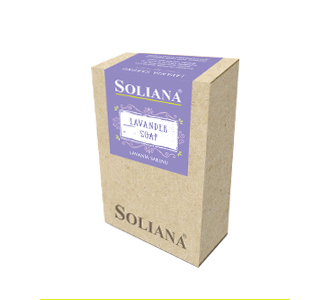
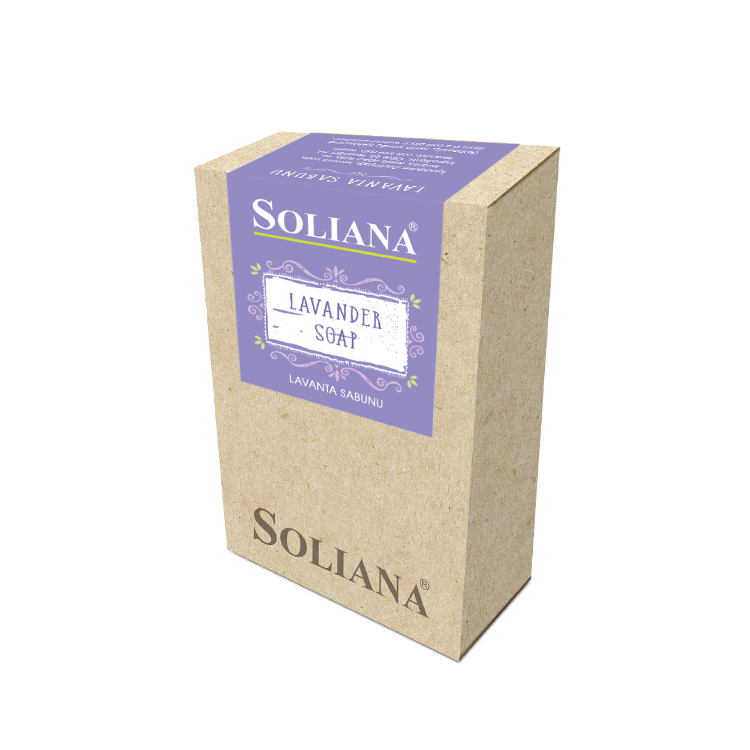
Lavender Soap
Without Caustic
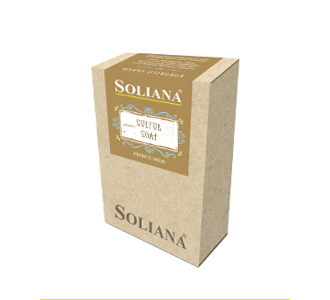
Sulphur Soap
Without Caustic
ABOUT OLIVE OIL
Olive oil is a liquid oil obtained from the fruit of Olea Europaea, in the color of greenish – yellowish.

GENERAL FEATURES:
Color of olive oil can change between greenish and yellowish. Variability of the color is in the result of agents in its structure. For example; it is because it contains up to 10 ppm of chlorophyll in its structure that gives green olive oil its green color. It is the carotene substance in its structure that gives this color to the yellow oil. Although there is a connection between the quality and color of olive oil among the public, in reality, the color has no effect on the quality of the oil. Besides that, nonfilterable olive oil can have a blurred appearance. Olive oil doesn’t constitute too much big importance about Omega – 3 fatty acids. It contains Omega-3 fatty acids in its structure of only 9% of the polyunsaturated fat. Besides that, it has vitamin A in the amount of 300 IE.
ACIDS IN OLIVE OIL:
-
SATURATED FATTY ACIDS 14%
-
MONOUNSATURATED FATTY ACIDS 77%
-
POLYUNSATURATED FATTY ACIDS 77%
-
LINOLEIC ACIDS 3-21%
-
PALMITIC ACIDS 7-20%
-
STEARIC ACID 0-5%
TYPES:
Natural Olive OilREFINED POMACE OLIVE OILa) Extra Virgin Olive Oil: It is the oil of which free fatty acid from type of oleic acid is not more than 0,8 gram in each 100 grams.
b) Virgin Olive Oil: It is the oil of which free fatty acid from type of oleic acid is not less than 0,8 gram and more than 2,0 gram in each 100 grams.
c) Ordinary Virgin Olive Oil: It is the oil of which free fatty acid from type of oleic acid is not less than 2,0 gram and more than 3,3 gram in each 100 grams.
d) Lampante: These oils having more than 3,3 acid rate, are defined as “defective”. These oils representing rancid and spoiled oils, are not suitable for consumption directly.REFINED OLIVE OILIt is an oil whose color can vary from light yellow to brown yellow, obtained as a result of refining the raw pomace oil by methods that do not cause any change in the natural triglyceride structure. Refined pomace olive oil can consume as so and it can be offered for consumption by mixing with virgin olive oils. Its free fatty acid from type of oleic acid is not more than 0,3 (0.3%) gram in each 100 grams.
RIVIERA OLIVE OILIt is an oil whose color can vary from different tones of yellow, obtained as a result of refining oil by methods that do not cause any change in the natural triglyceride structure of olive raw oil and it has specifical taste and smell. Its free fatty acid from type of oleic acid is not more than 0,3 gram in each 100 grams. Refined oil is thin, cooking oil. Its cleaning processes are distillation, neutralization, bleaching, deodorization. When this oil is blended with virgin one, cooking types (Riviera and Type A) are produced.
FLAVOURED OLIVE OILIt is an oil obtained from the blend of virgin olive oils that to be able to consume as a direct food and cooking refined pomace oil. Its free fatty acid from type of oleic acid is not more than 1,5 gram in each 100 grams. Olives dropping to bottom of tree, start to acidify when breaking off its branch. From these olives, oil is obtained without taste and odor after chemical and heat treatments. By adding extra- virgin olive oil rating of 10%-20% to this oil, it renders to be able to eaten about taste and smell. So, we can use in our cooks. They are poor about antioxidant and mineral.
These are the oils obtained by adding different spices, fruits and vegetables or their natural flavorings to olive oils.
TIPSHEET:
Olive oil is affected by light, heat, weather and time factors. When receiving and storing, it should be protected in a closed and unlit place. It should be kept in a cool place. It cannot be put in the refrigerator. Glass and dark colored bottles should be preferred. It should not breathe. Olive oil deteriorates as it waits.
It can be observed olive oil starts to burn earlier than other oils and starts to belch in high heat while cooking. In cooking methods (for example frying) that used high heat, olive oil starts to lose its healthy features. With the examination of some studies, it was concluded that olive oil is superior to other oils up to [180-190] °C degrees.
Extra Virgin Olive Oil is generally used for salads and appetizers; refined riviera and pomace olive oils are used for cooks and roasted foods. Refined and pomace oils are suitable for reuse.
Source: Wikipedia
ABOUT POLYPHENOL:
Polyphenols are beneficial chemical components having antioxidant features and are found in many natural food products. Polyphenols perform as antioxidant when they go in the body. It reduces cholesterol. It contends with infection by inflammation effect. It prevents loss of memory and cognitive decrease causing Alzheimer disease. Besides that, it is determined Polyphenols have anti- aging effect, they have anti-wrinkle effect on skin.
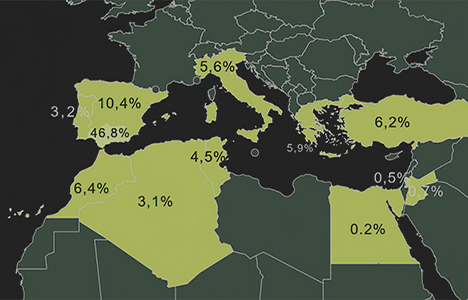
OLIVE OIL MAP:

CONTACT CONTACT US


PRODUCTION FROM FIELD TO YOUR TABLE…
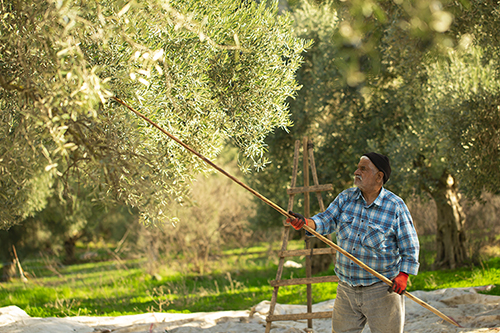
Our olives that we carefully cultivate throughout the year with GOOD AGRICULTURE practices, are picked up for press of our awarded premium oils in early harvest period. Olives for our other products as natural extra virgin, are picked up in normal harvest period from Akhisar region. Olives that we use, are from the types of “trilye, uslu and domat” which are specific in Akhisar region. FROM FIELD TO FACTORY… Olives that are carefully picked, are transferred to the factory in boxes in a time not exceeding 4 hours on the same day. Olives are taken to cold room in the factory to avoid them from boiling because of hot weather, press transaction is started as soon as possible.
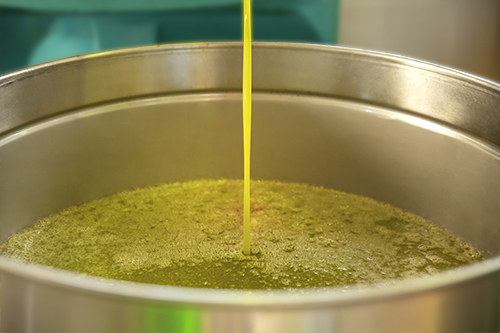
In our OLIVE OIL production, cold press just is practiced. Olive and olive oil never pass than 27 degree. Our olive oil, which is pressed untouched by our high German technology continuous pressing systems, is transferred to stainless steel tanks by filtering through paper filters as soon as it comes out of the separator, thus preventing the oxidation of the oil. Our oils are preserved so that they do not go below 12 degrees and do not exceed 25 degrees during their storage. Cold Press Olive Oils are the products that pressed by picking from half-grown olive grains in Akhisar between September / October months. Since they pick up in October, that oil would be so rich about antioxidant feature in olive and polyphenols decreasing cancer risk. It is obtained by cold pressing technique, keeping it at a maximum of 27 degrees so that the amount of polyphenol we are looking for in cold pressed olive oil is more than that.
- Halal Certificate
- ISO 9001:2015
- ISO 22000:2005